Q+A #022: Corpus Studio [Design, Interiors and Architecture Studio]
🗃️ Complex, Architectural Layers 🧱 Whole Bricks 🏛️ Interpretations of Antiquity 🕌Stainless Steel Gable Roof ⬜ Geometry: Discovered or Invented? 🇸🇪 1920s Nordic Classicism
‘Storied Spaces’ is the RIALTO newsletter featuring ‘Q+A’, a bi-weekly column that features guest curators from the community, whom we invite to share inspiration from their home library. In each edit, you will hear from creatives we admire about the analogue inspirations that inform their work and vision.

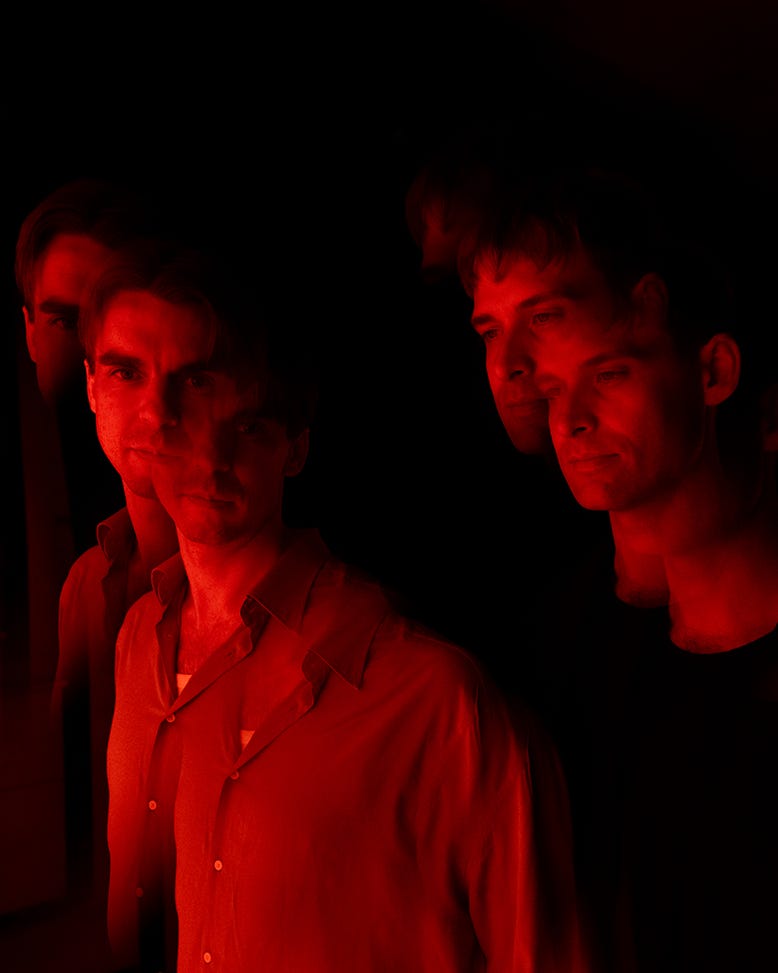
Corpus Studio is a Paris-based design, interiors and architecture studio founded by Konrad Steffensen and Ronan Le Grand. They create emotional, rigorous, and thoughtful spaces that reflect the past, the present, and the future. In 2022, they began designing furniture as an extension of their spatial practice, using it as an iterative medium.
Instagram: @corpus.studio
Website: www.corpus.studio

Q+A
[001] What is your favourite interior you’ve come across and why?
This one is inherently an interior, but it is architectural rather than decorative. There is such a strong energy that it can’t be mentioned. The Church of St Peter in Klippan, Sweden, by Sigurd Lewerentz. From outside, there is almost nothing to look at (we are vehement supporters of the idea that design should not be understood all at once. There should be layers, complexity, and misunderstanding for something to be real. Modern media reduces design to the spectacle of image rather than actual experience).
Lewerentz refused to cut a single brick as an intentional constraint, so the whole church is set out in whole bricks, including the floor (which is peculiarly uneven and rolls like gentle waves), that was laid with very thick joints, and every dimension in the building had to be worked out around that one decision.
Inside it is very dark; the glass of the windows is clipped to the outside face of the wall with no frames, so the openings read as holes. At the front, near the nave, a shell hangs over a dark, tectonic-like fissure in the brick floor. Water steadily drips from the shell into the limitless chasm in the floor.
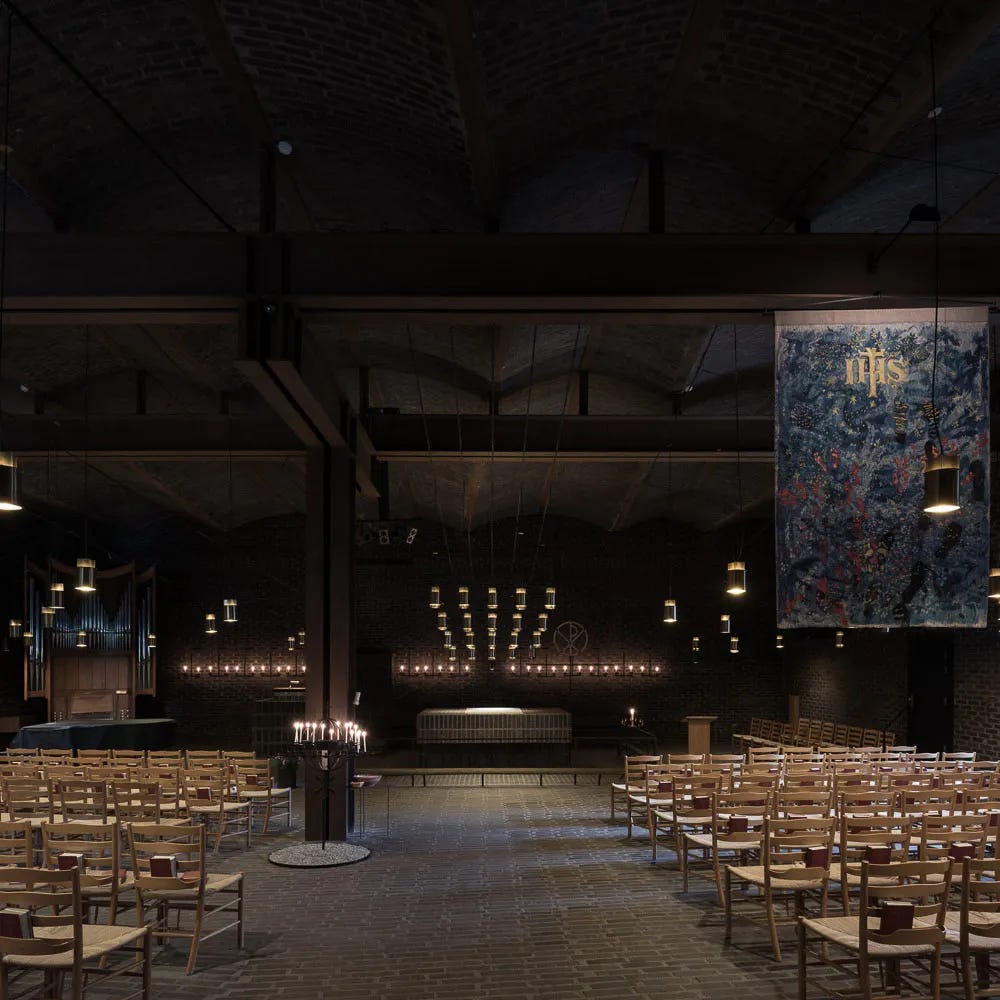
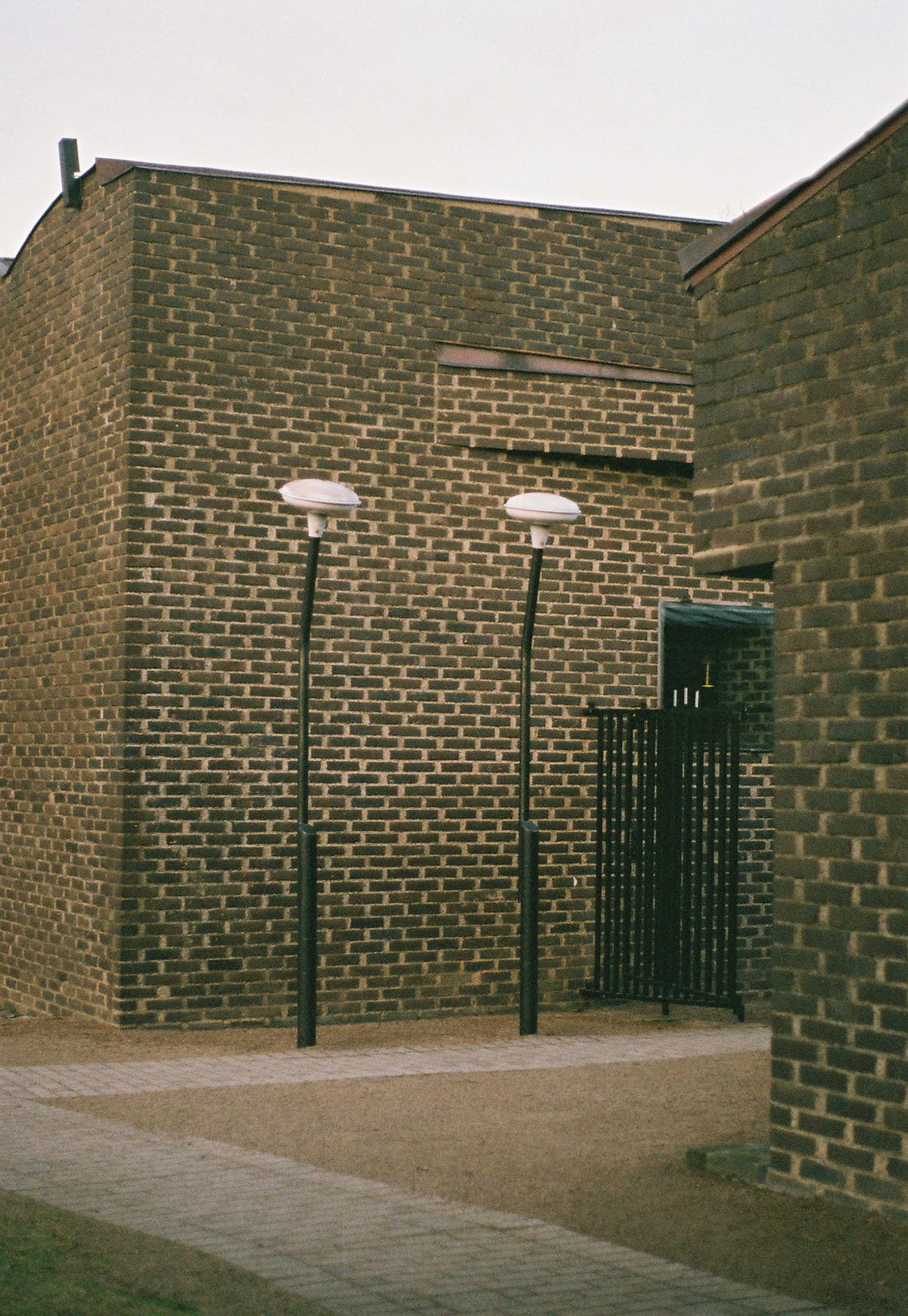
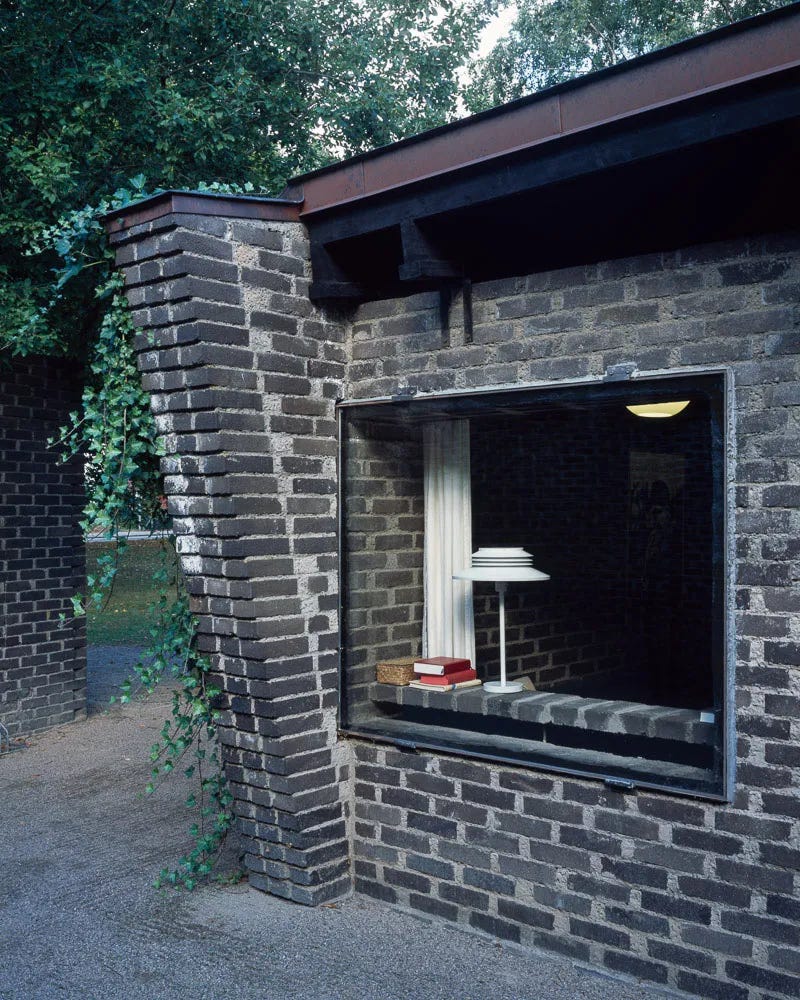
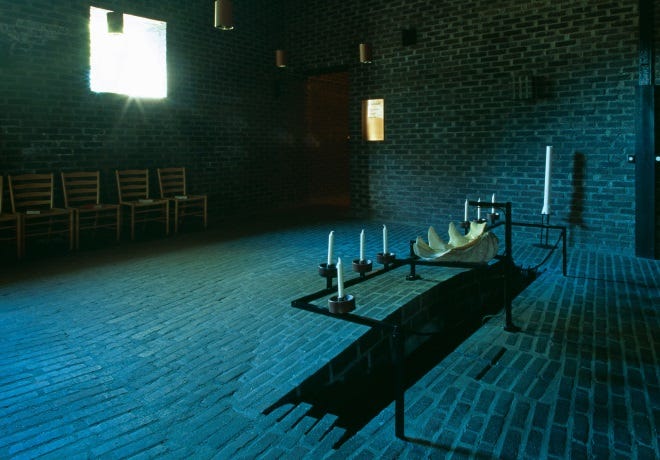
It is such a profound experience that one is transported to another realm where material things slip away, and you are left exposed, faced with truth and maybe some answers.
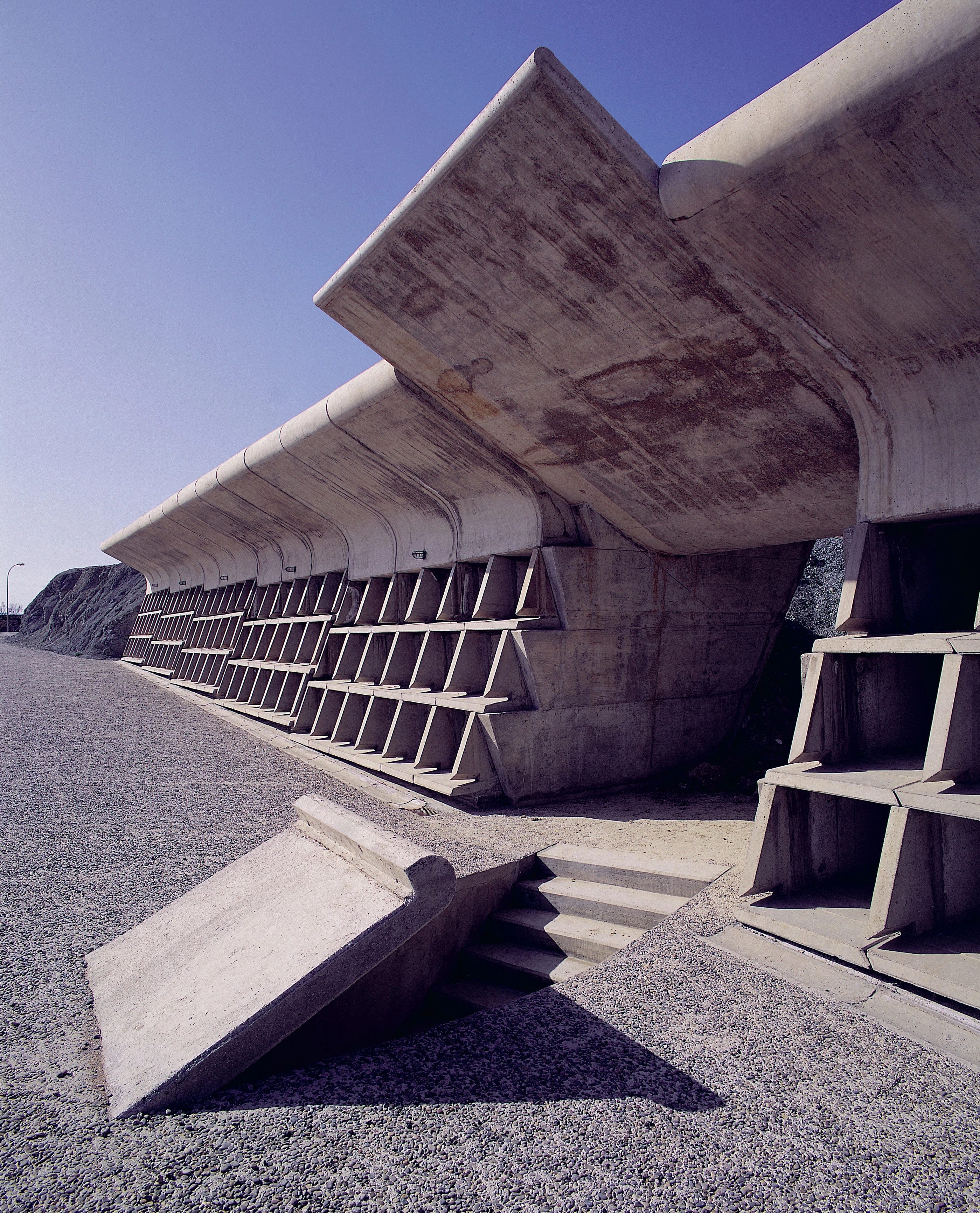
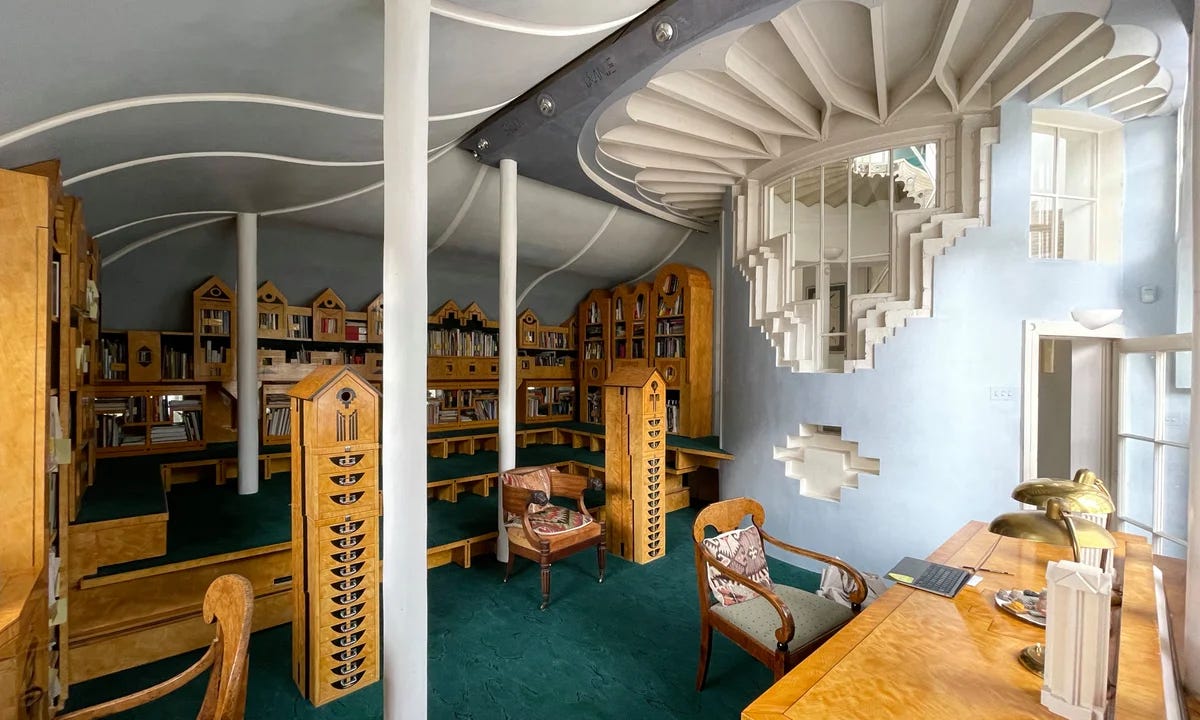
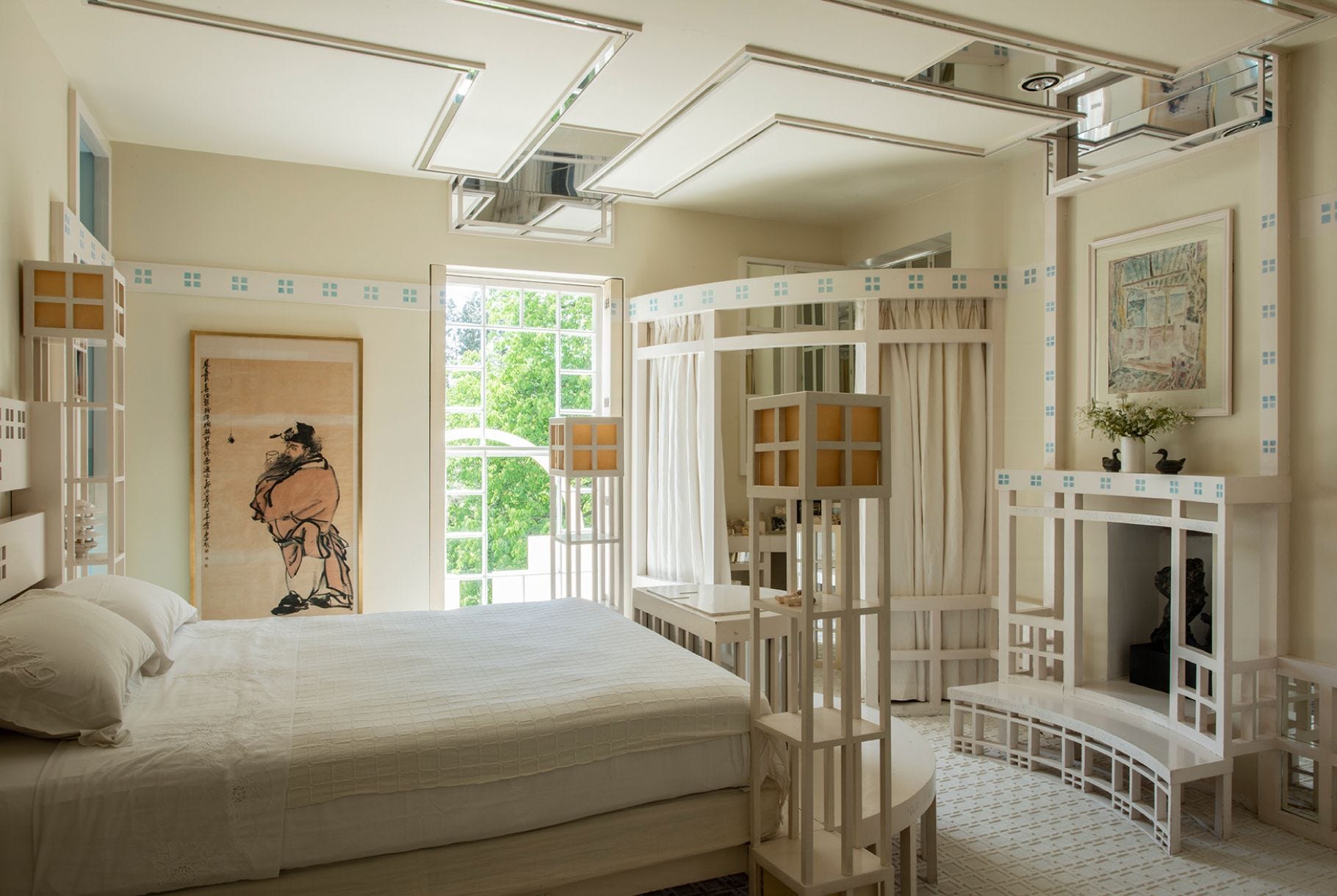
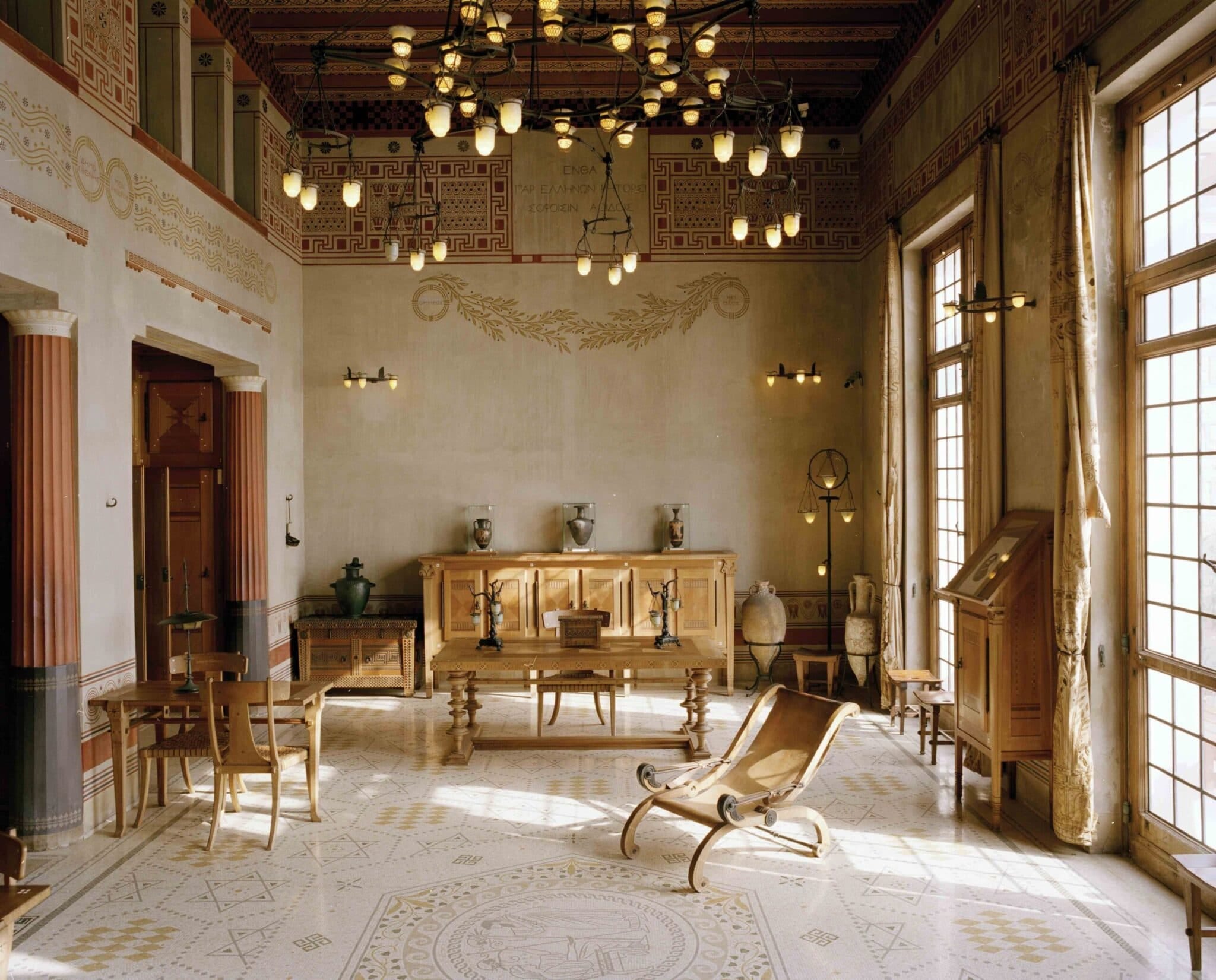
If we can slip in three others, I also need to mention the Igualada Cemetery near Barcelona by Enric Miralles and Carme Pinós, which is this powerful wound cut into the earth; Charles Jencks’ Cosmic House in London - a house built as cosmology; and Villa Kérylos in Beaulieu-sur-Mer - an elegant interpretation of antiquity. All remarkable and must be seen.


[002] Describe your dream interior or set if you had no budget restraints.
Torn between a couple of options on this one.
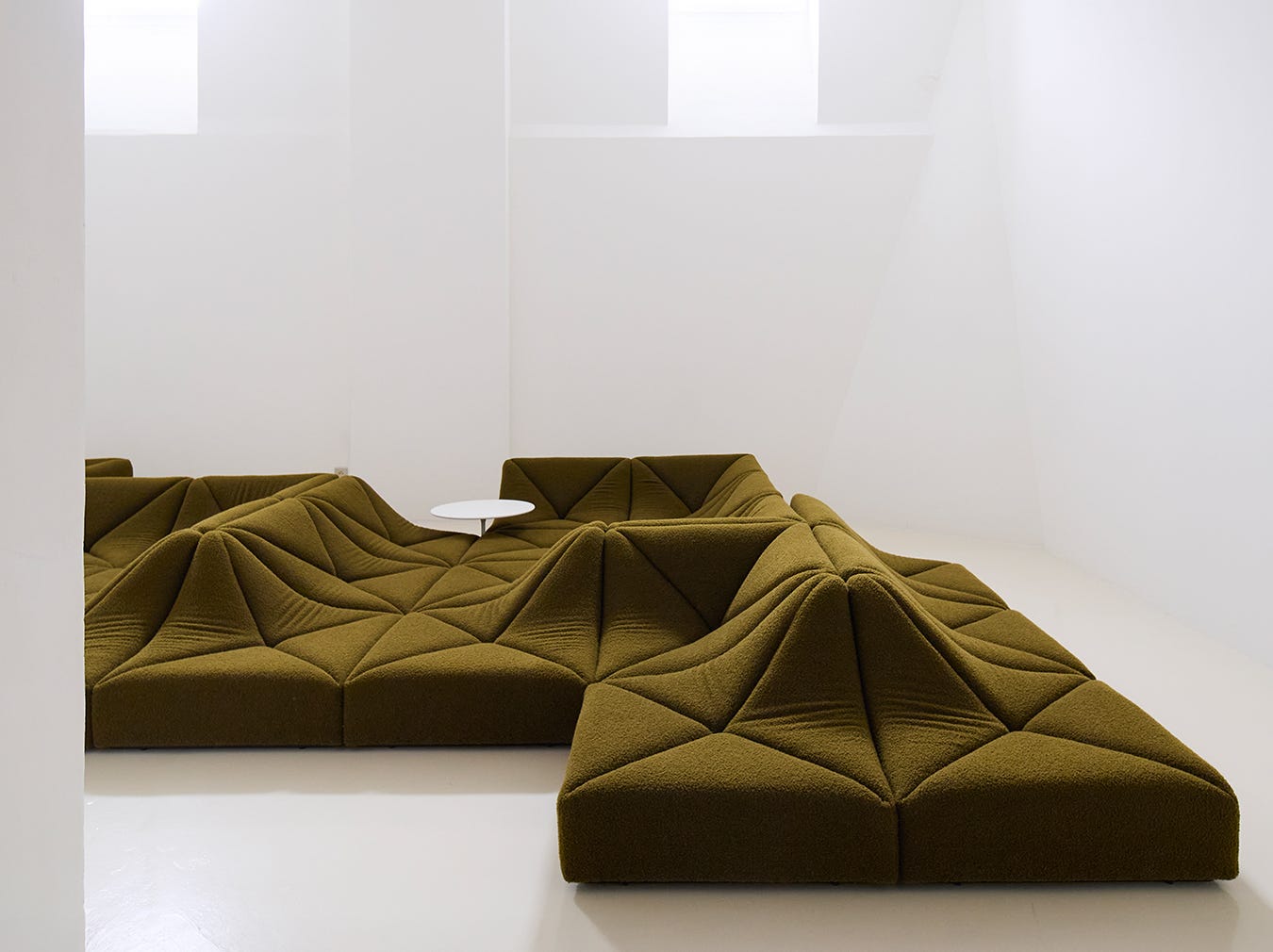
The first one would be a Second World War concrete bunker lodged into the dunes of a windswept landscape on the French coast, richly decorated with comfortable furnishings from various eras: 1920s Nordic Classicism, a Pierre Paulin Dune sofa, and contemporary artworks.
Second would be the temple of Apollo seen in Jean-Daniel Pollet’s short film Bassae. It is perched on a ridge, touching the heavens and left abandoned. The furnishings would be crafted from polished basalt but would be very comfortable with soft, off-white upholstered cushioning. The furnishings are visibly reflected on the underside of the brushed stainless steel gable roof that echoes the pitter-patter when it rains. On the floor, in the middle of the temple, surrounded by antique Ottoman rugs and cushions, is an abyss in the floor where trunks of cypress smoulder into embers and scented smoke creates a hazy aura.

[003] What has piqued your interest lately?
Whether geometry is discovered or invented.
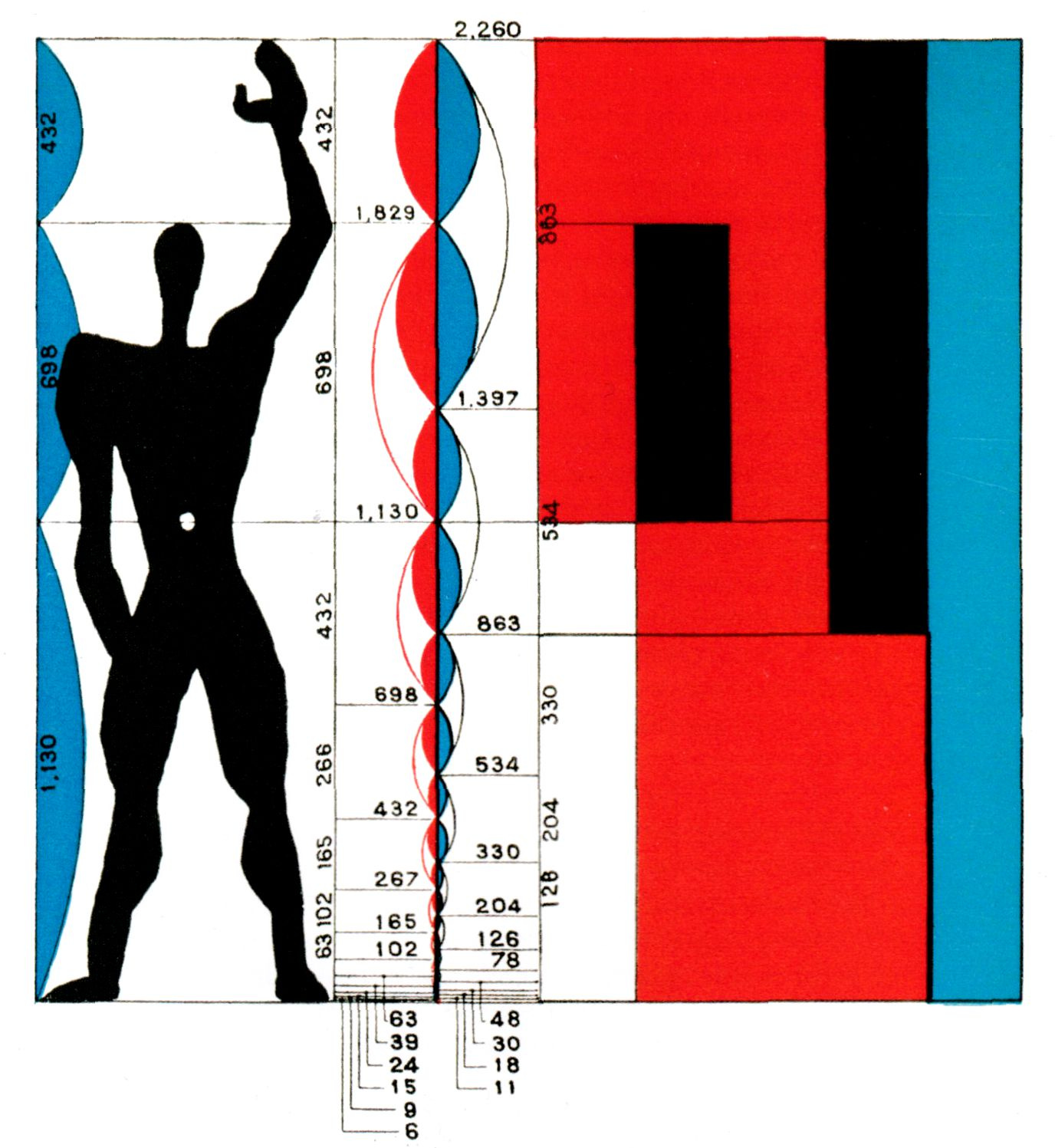
I’ve been reading about the Modulor, which Le Corbusier built from a square, the golden section, and the proportions of a standing man. He argued it beat the Vitruvian system because it gave dimensions for seats and sills rather than abstract ratios. Underneath this sits an older question: is mathematics out there in the world, or only in our heads?
I don’t think it’s limited to academia, as we instil systems into everything we do, physical and metaphorical, because life is complicated and a framework is how you answer it. Aldo Van Eyck said, "A house must be like a small city if it’s to be a real house, a city like a large house if it’s to be a real city.", which sounds like a slogan until you try to draw one.
In the context of what we do, a client brief is a framework too, and, reading Lacan, it starts to look like a demand, and demand is never desire. Warm, calm, and timeless is shorthand for something harder to name, and the interesting part of the job for us is finding out what. It’s the same problem as the Modulor: we design with a framework, but what it aims for was never ours to invent; it’s more of a discovery.
[004] Who other than yourself would you trust to decorate your home?
Ronan. Corpus Studio would be incomplete without him.
He has an innate sense for atmosphere, for what a room feels like before anything is in it. And he’ll do one odd thing in a corner that I would have talked myself out of, which is usually what stops the room from being polite.

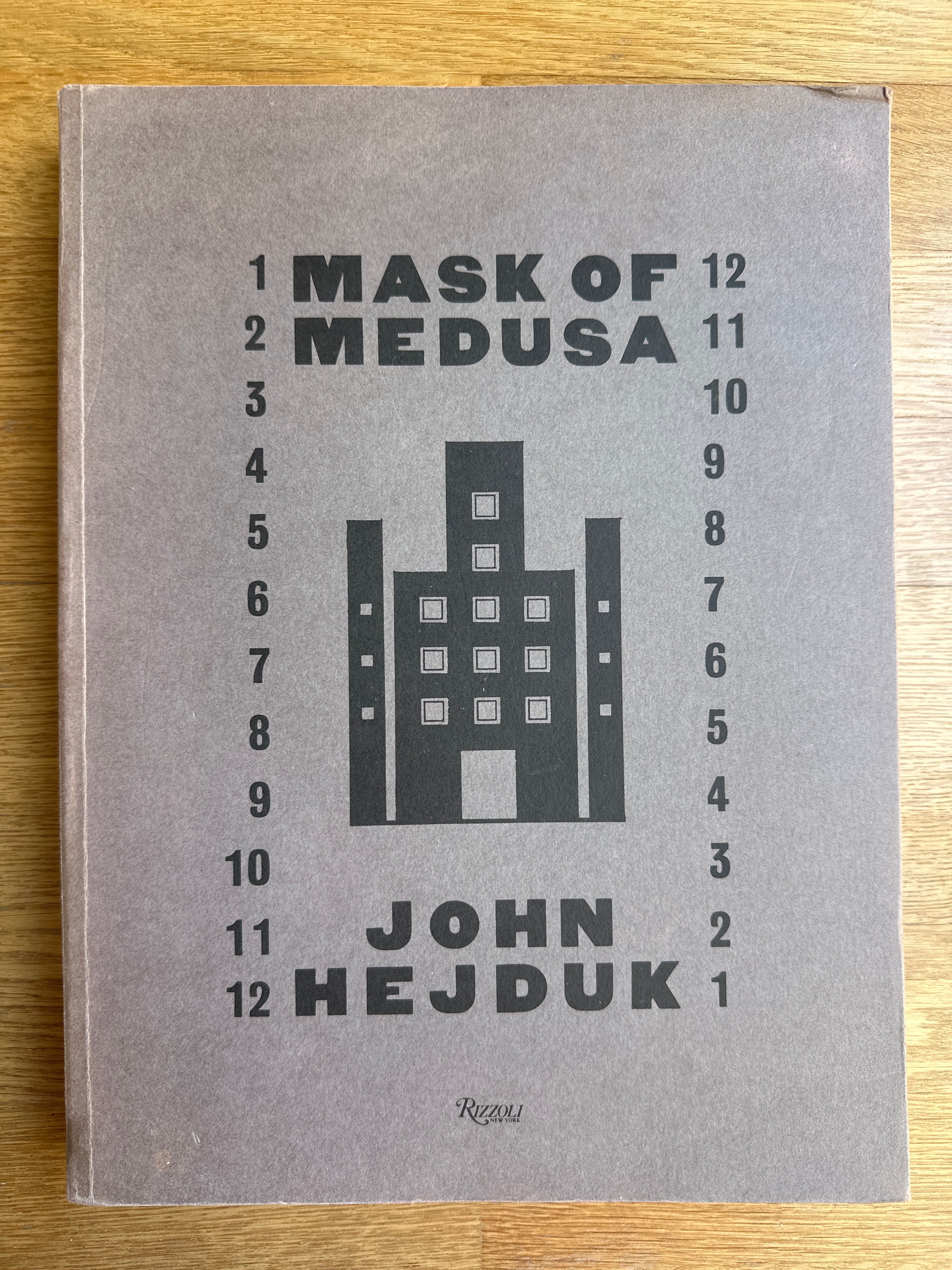
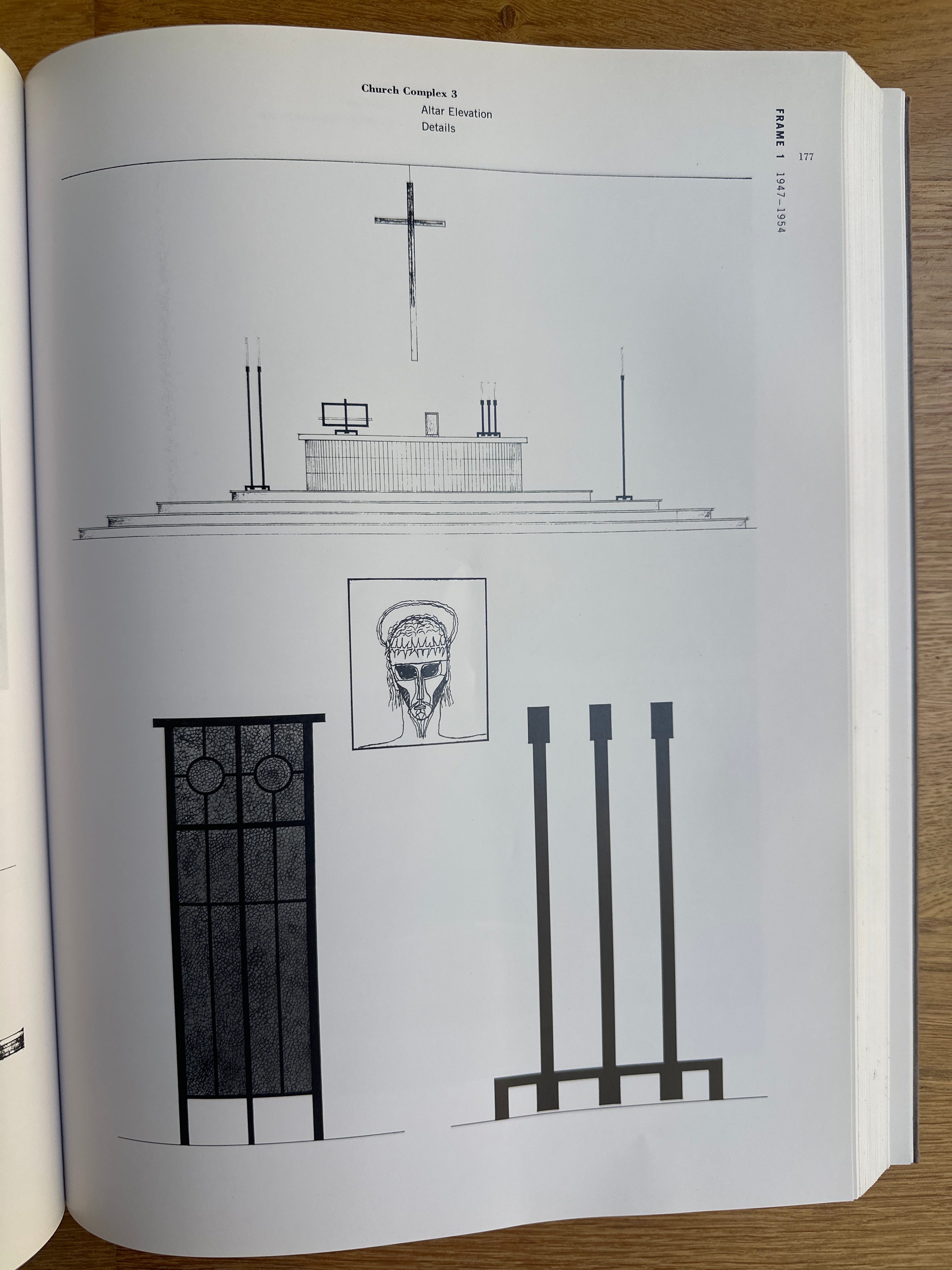
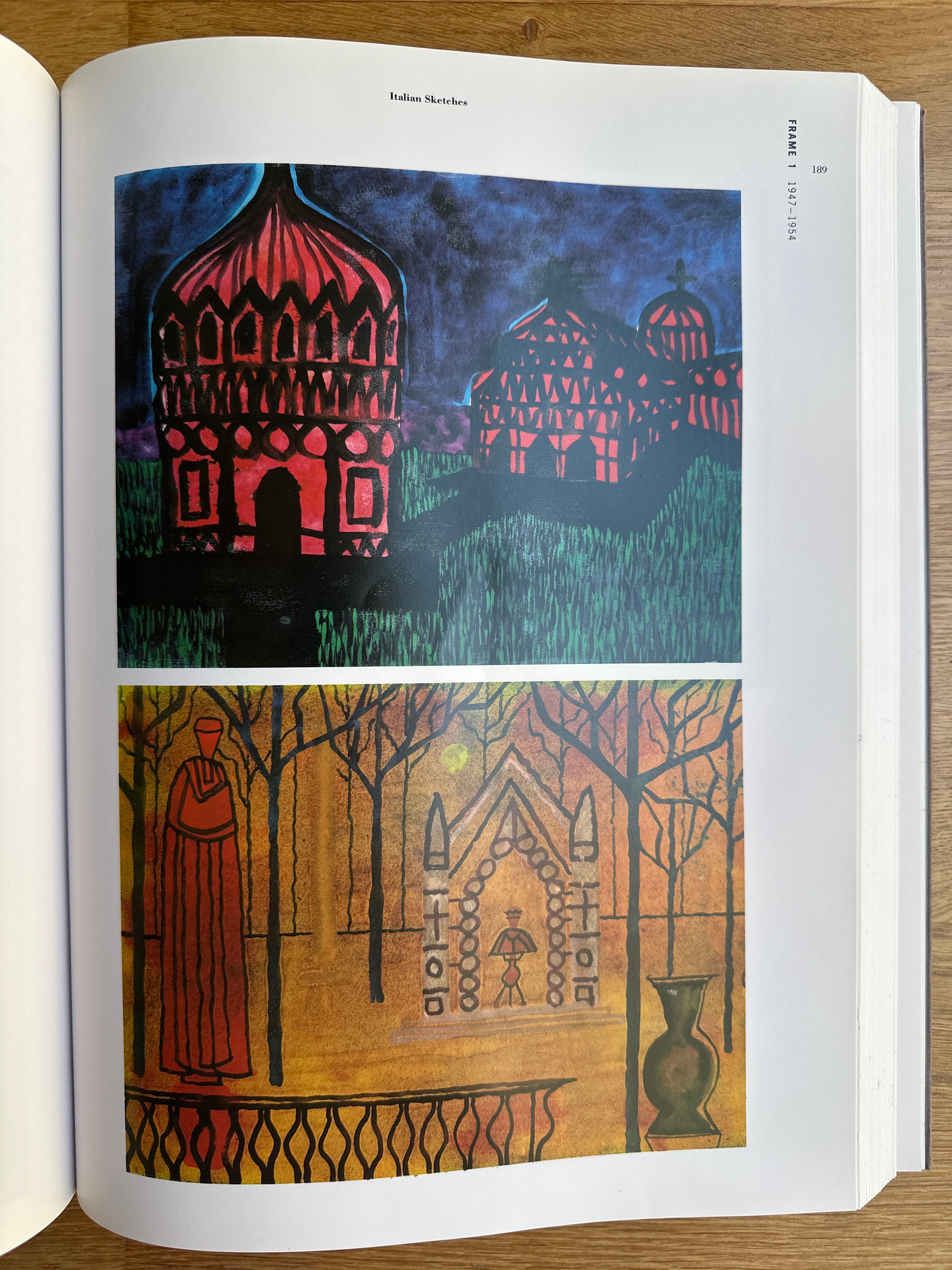
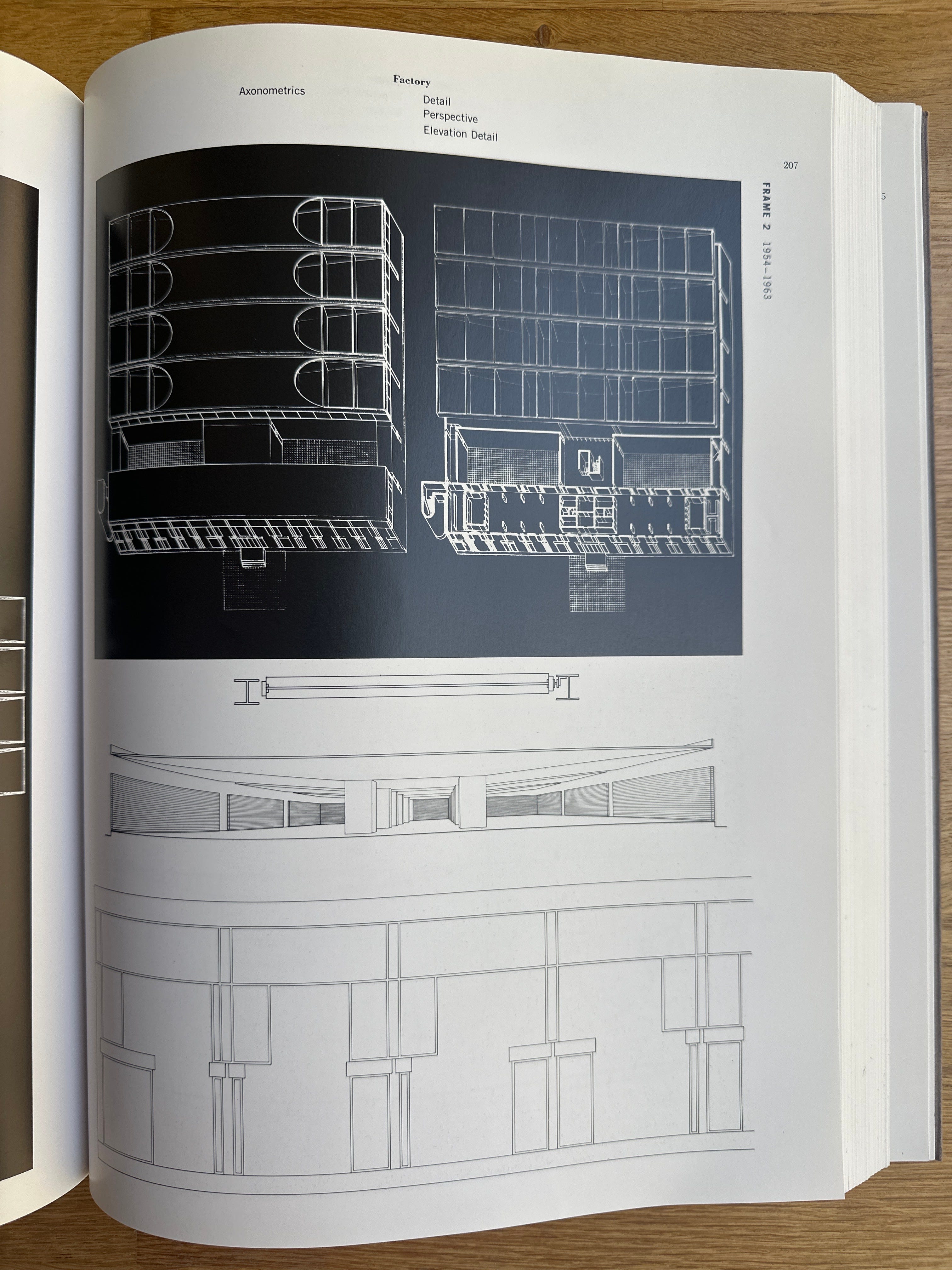
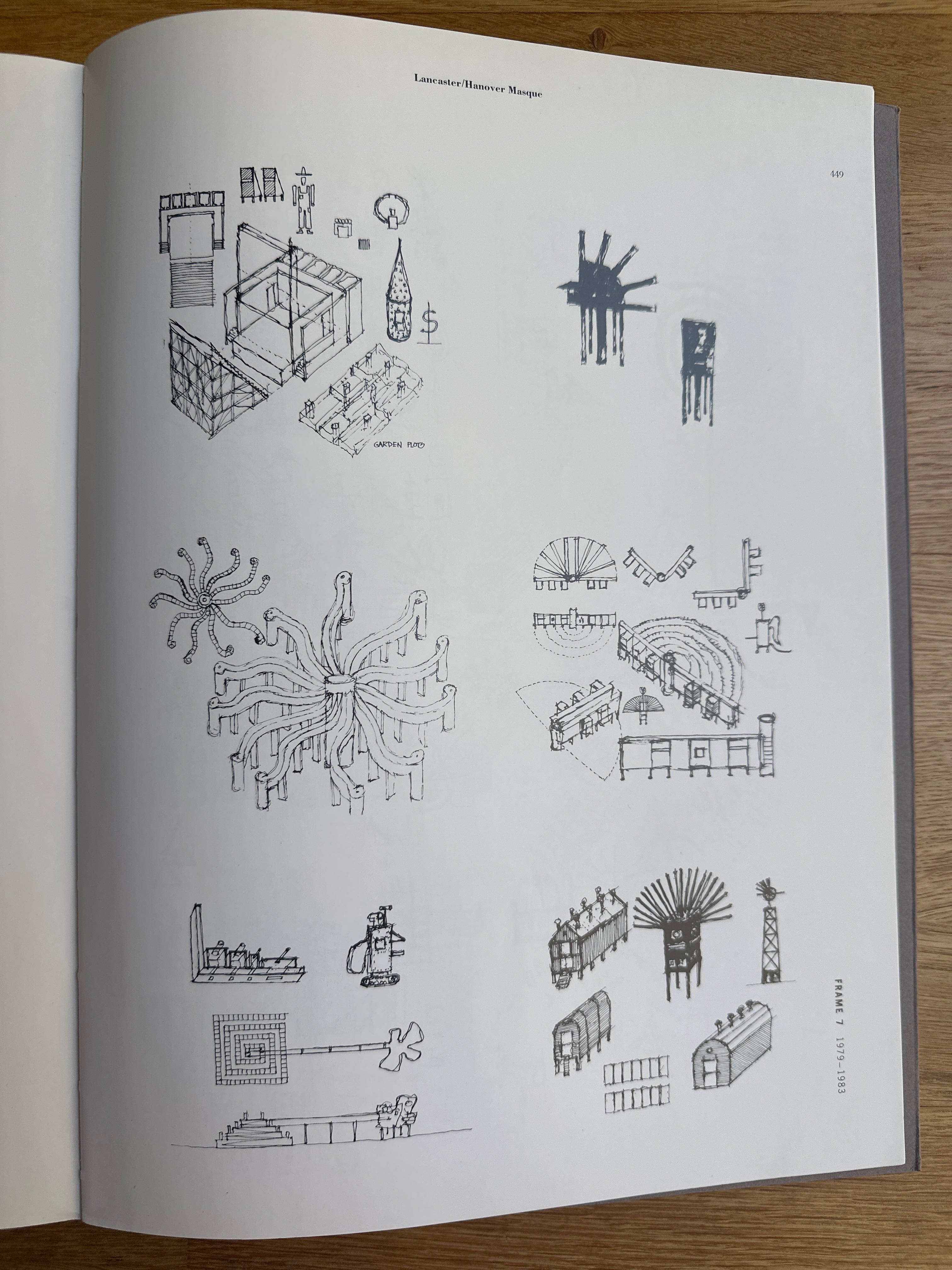
I. ‘Mask of Medusa’ by John Hejduk
John Hejduk was introduced to me by a friend of mine many years ago, and the discovery of his work was destabilising, to say the least. He was Dean of Architecture at The Cooper Union in NYC during the 70s and 80s, and although his work is identified with post-modernism, there is a richness to it that the label doesn’t account for.
He hardly built anything; he just drew, wrote poetry, and invented characters like the Widow, the Bell Ringer, and the Reaper, giving each one a structure to live in and then assembling the whole set into a town square. This book collects thirty-six years of it. It reads like a notebook rather than a monograph.

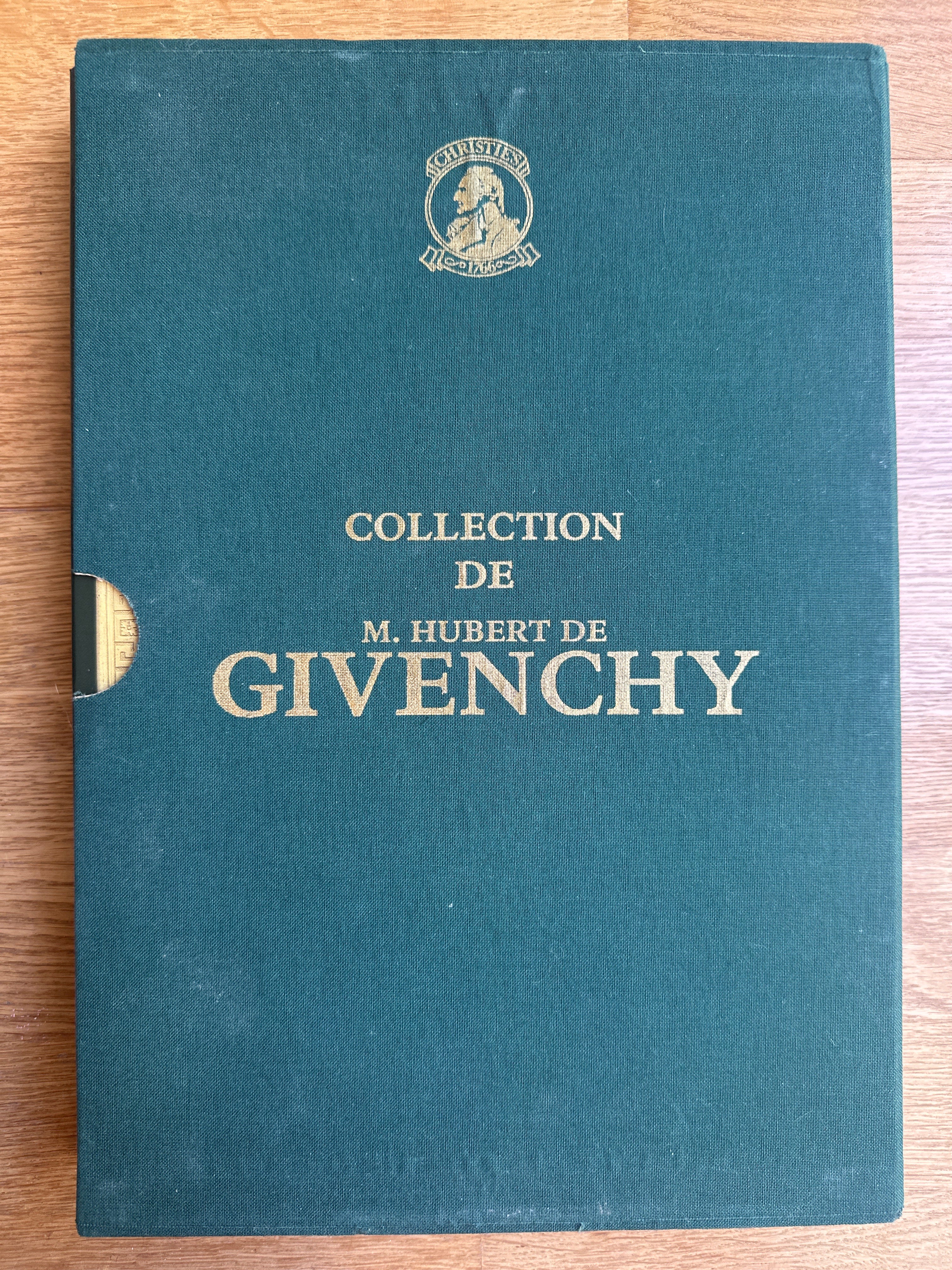
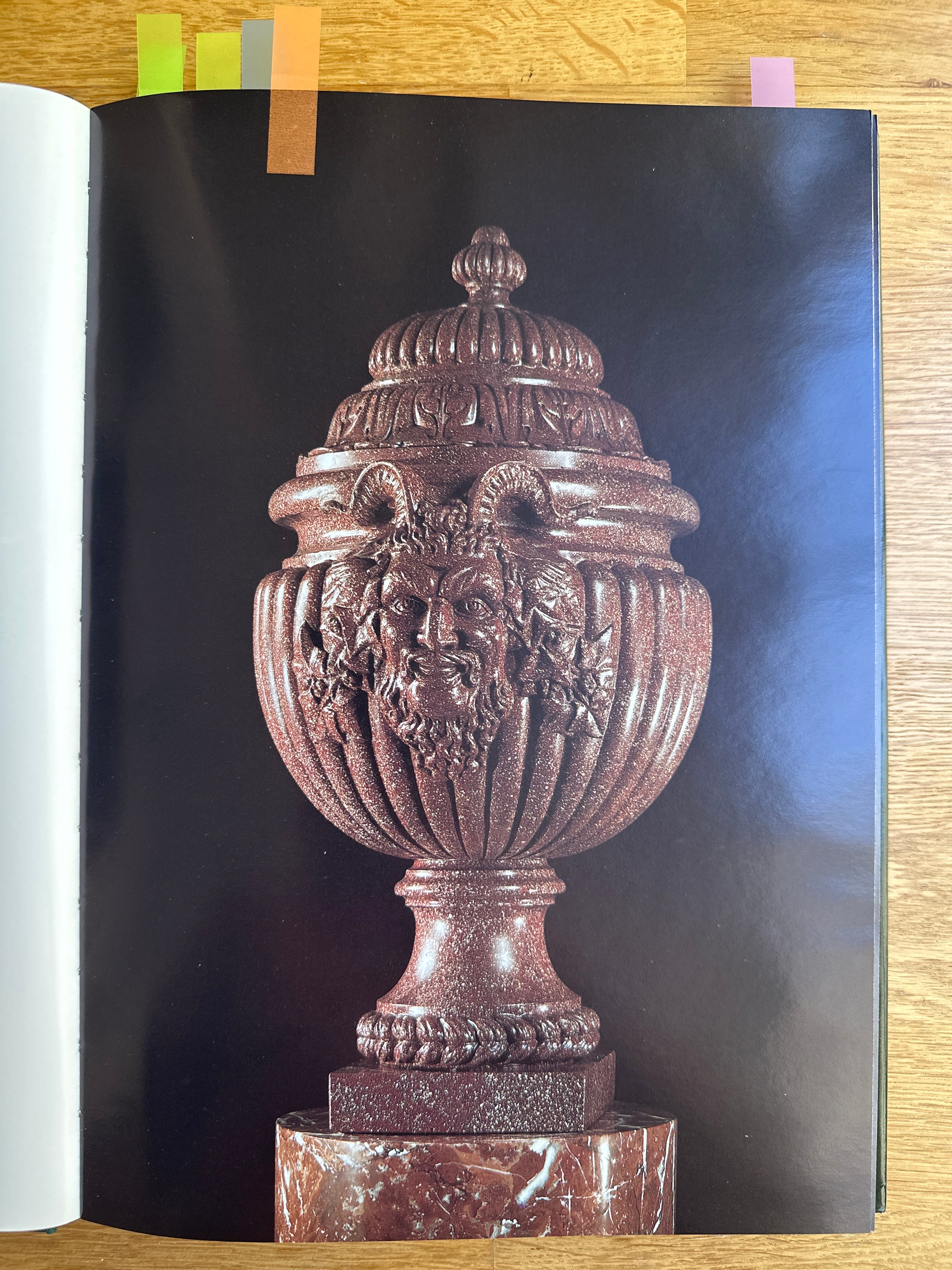
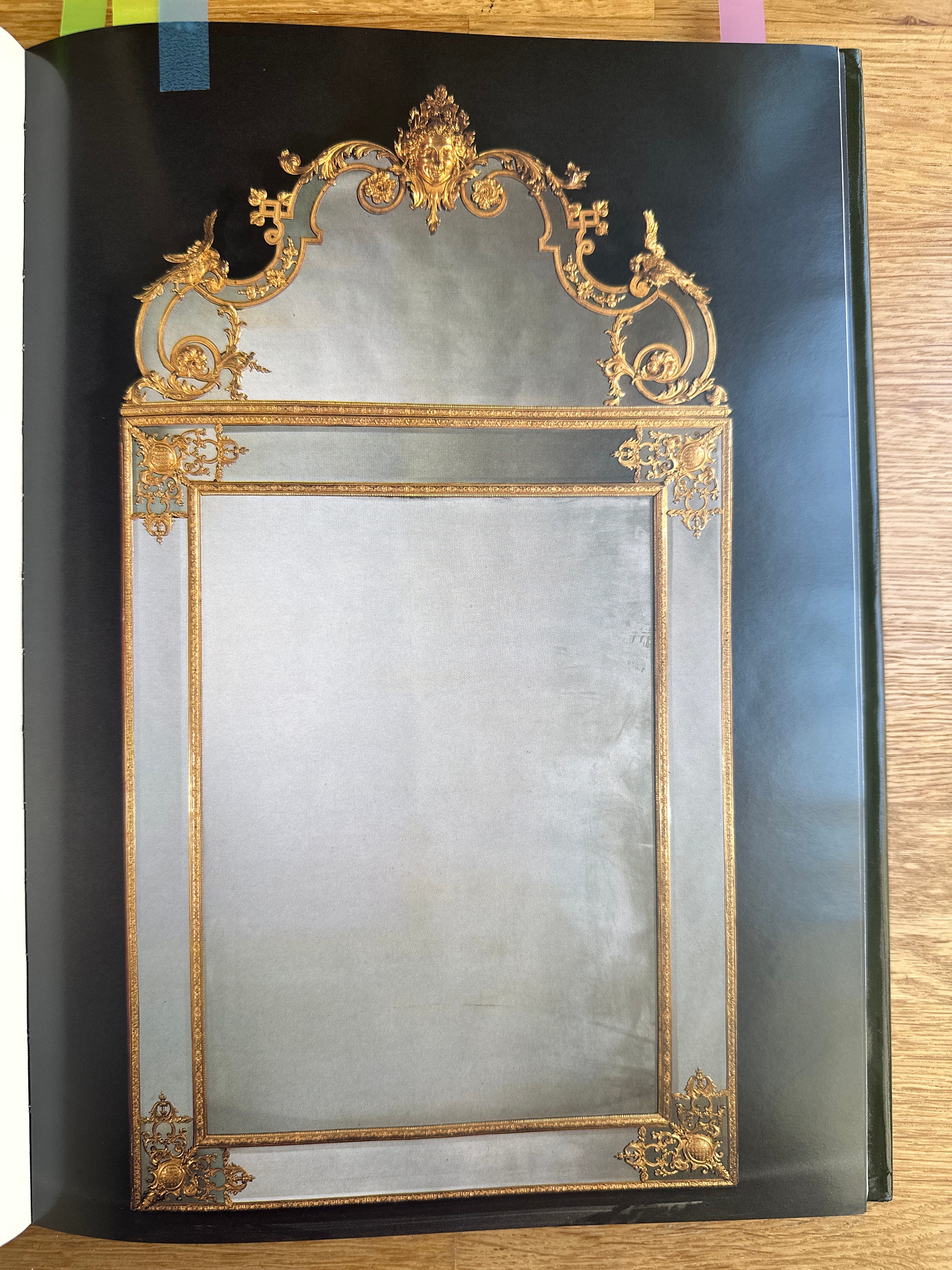
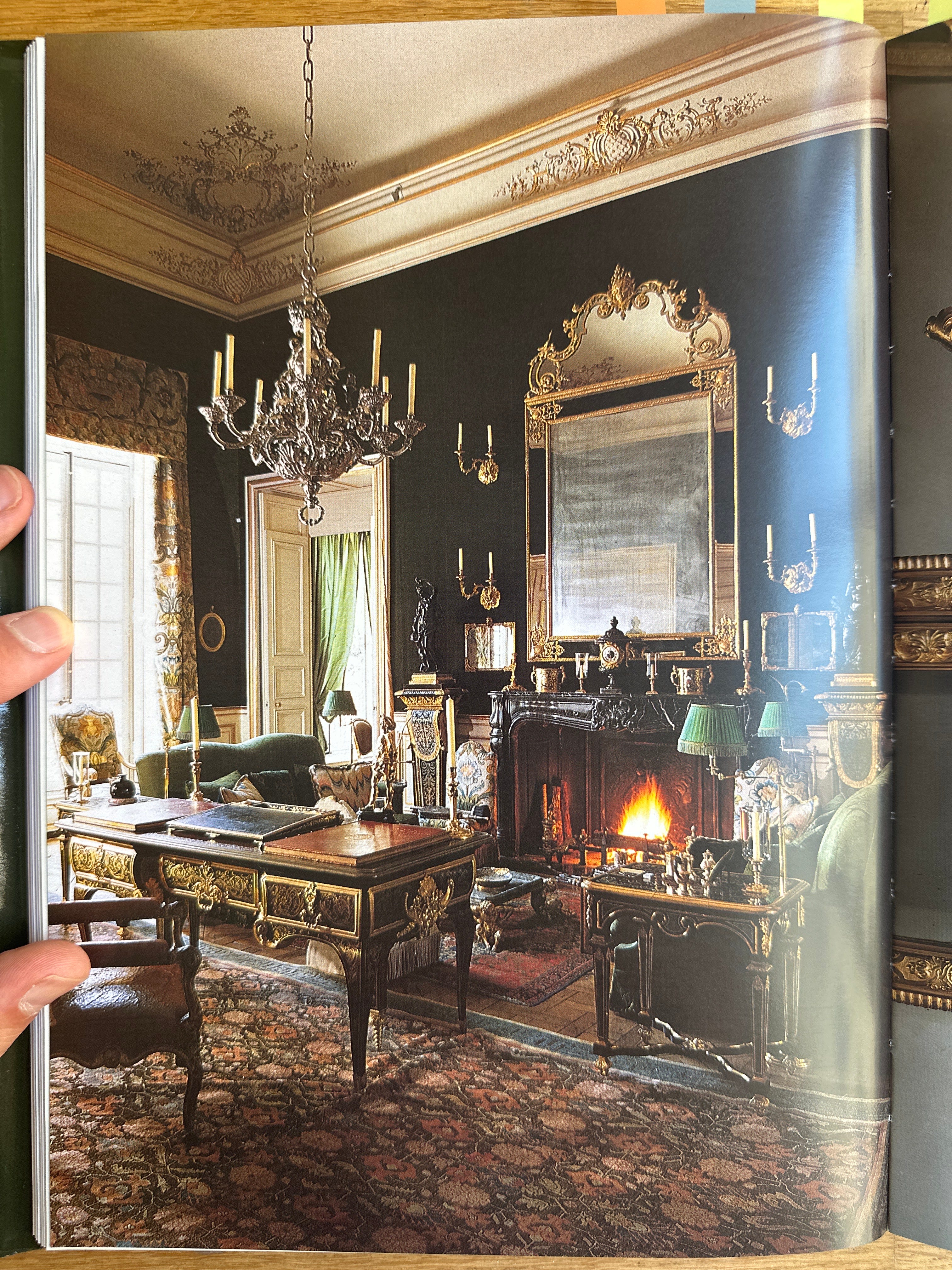
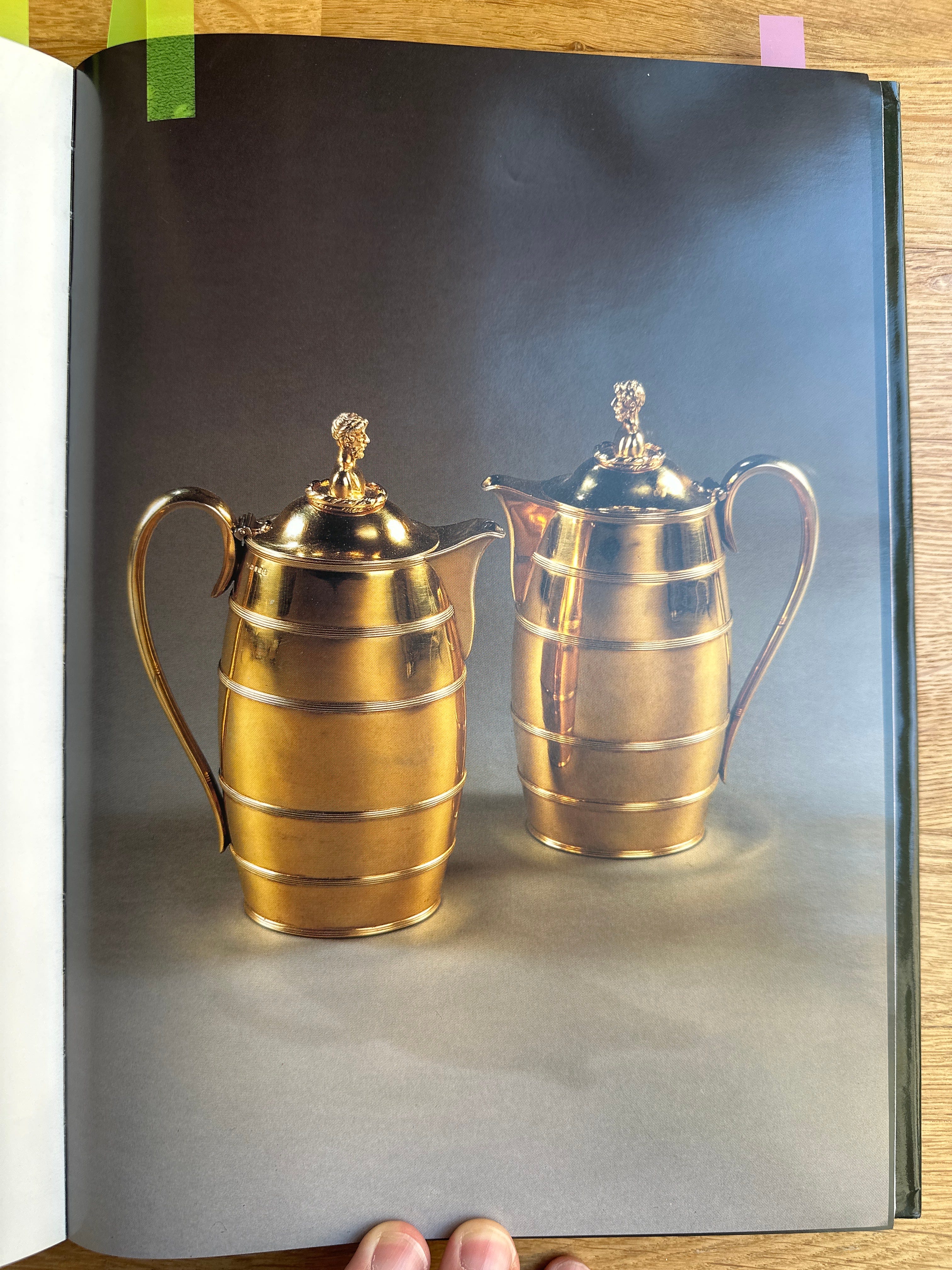
II. ‘Collection de M. Hubert Givenchy’ (1993) by Christie’s of Monaco
We were given this by a dealer at the Saint-Ouen markets, and it's less a catalogue than a record of one extremely disciplined eye. Christie’s sold the entire contents of Givenchy’s Parisian apartment, and the sale was the first of its kind, built entirely around a single collector.

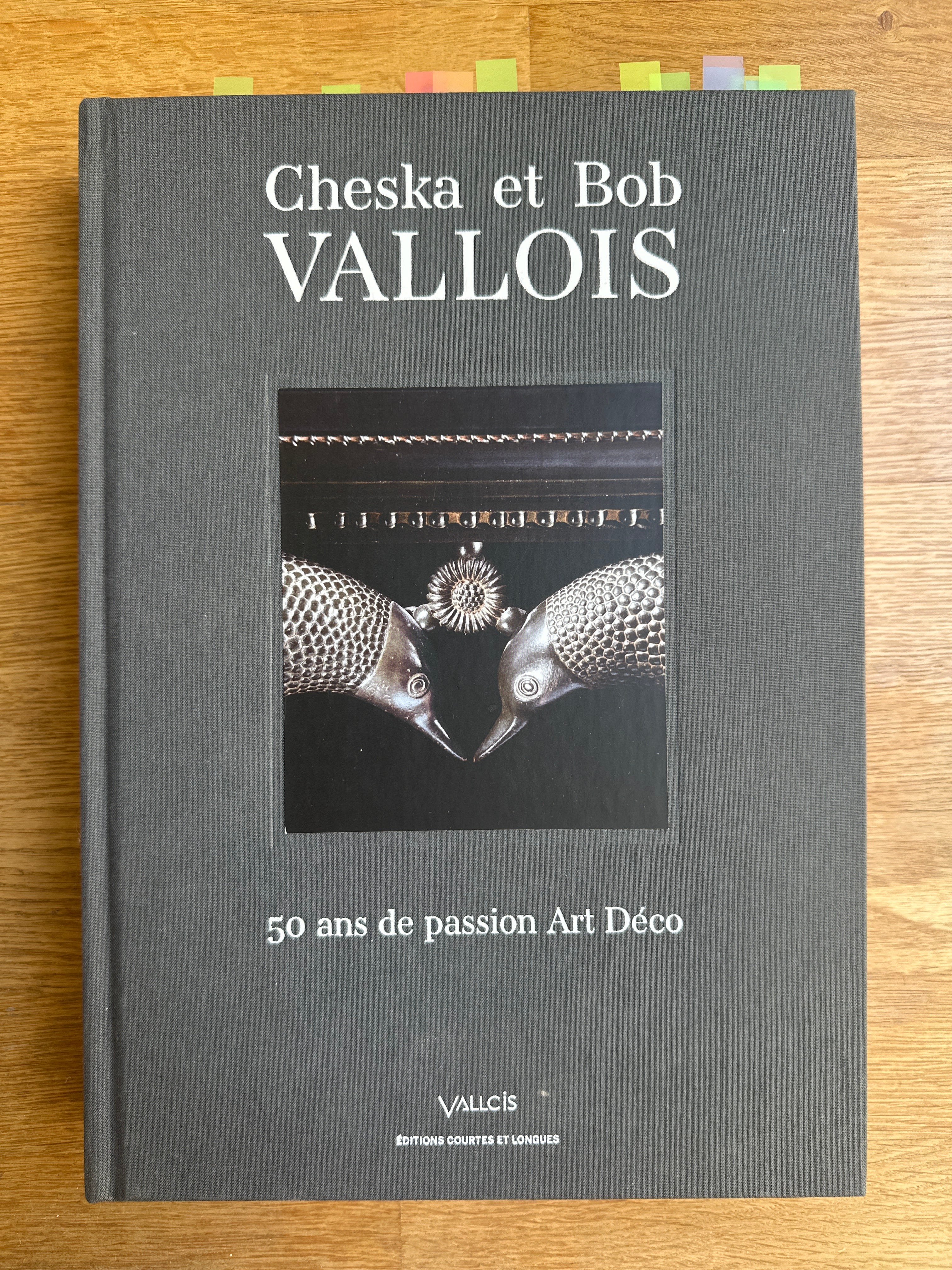
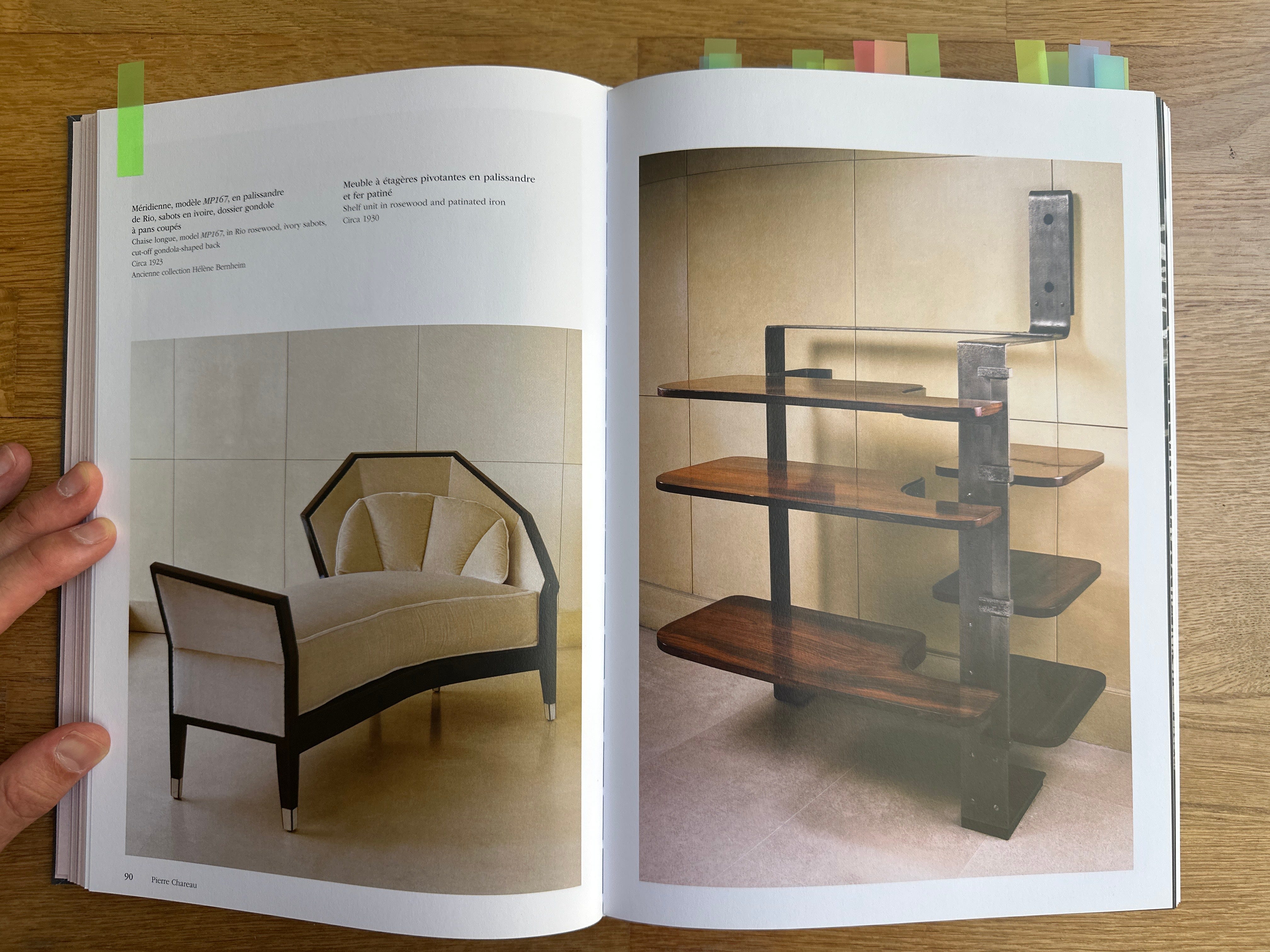
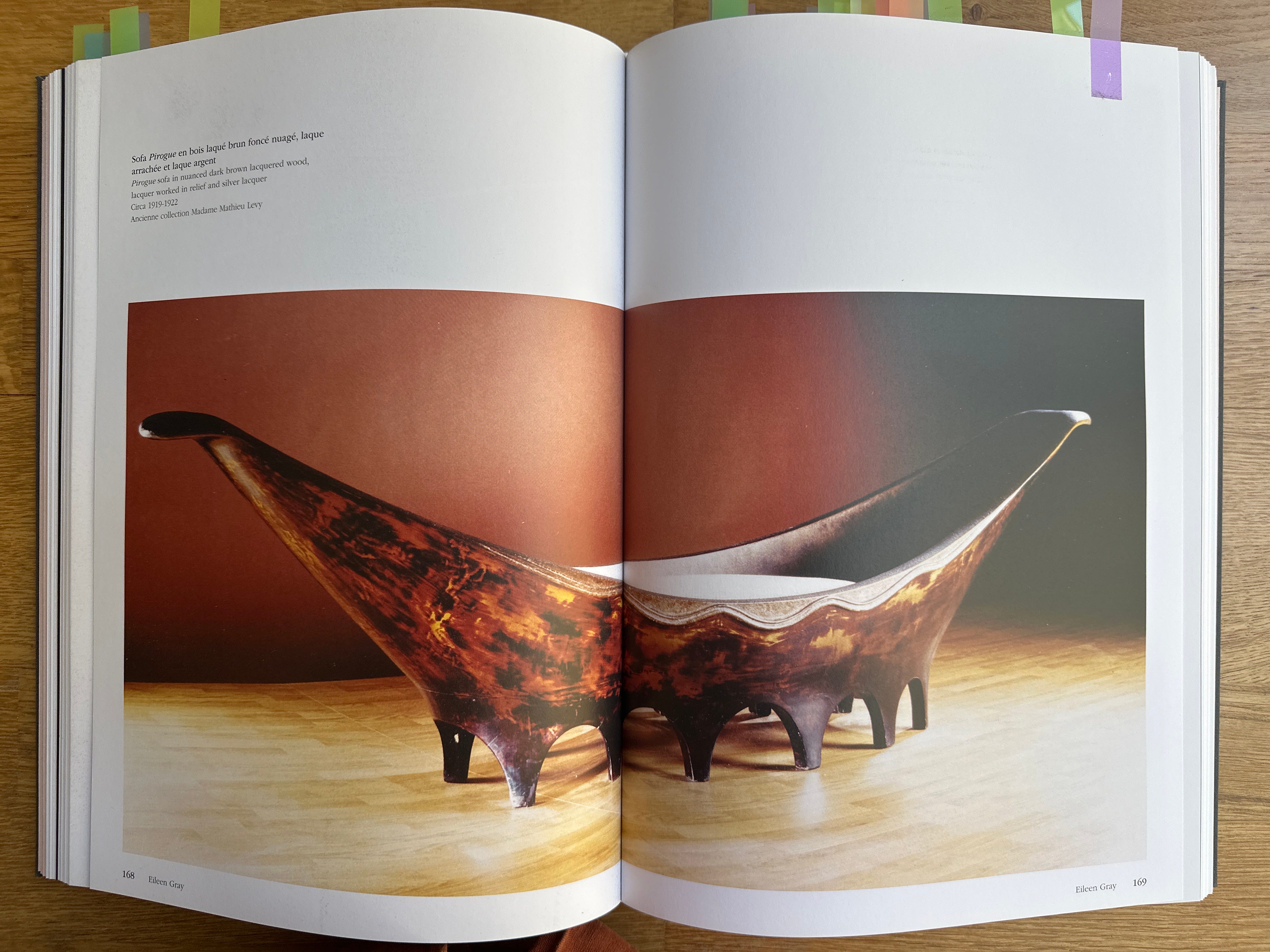
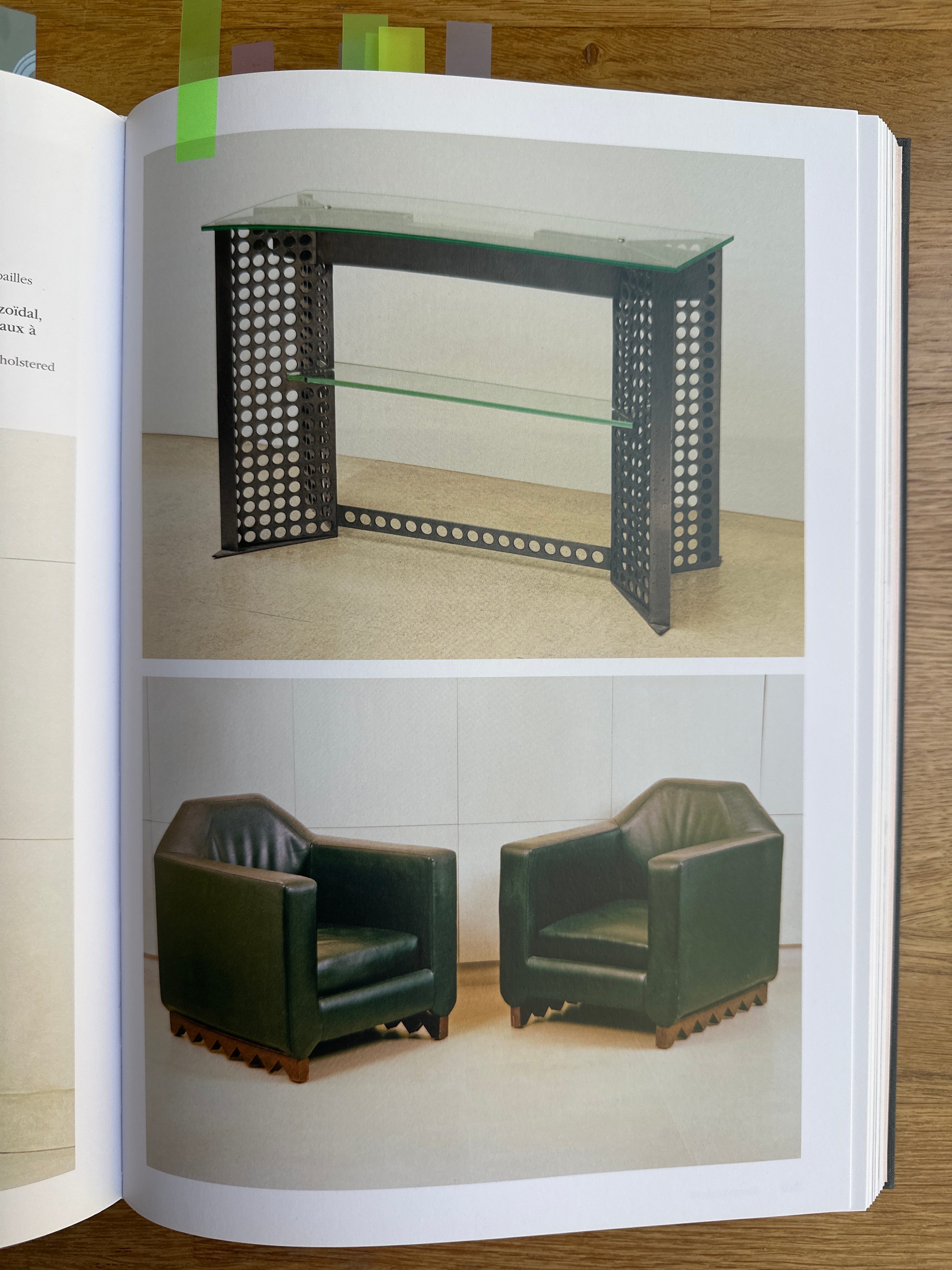
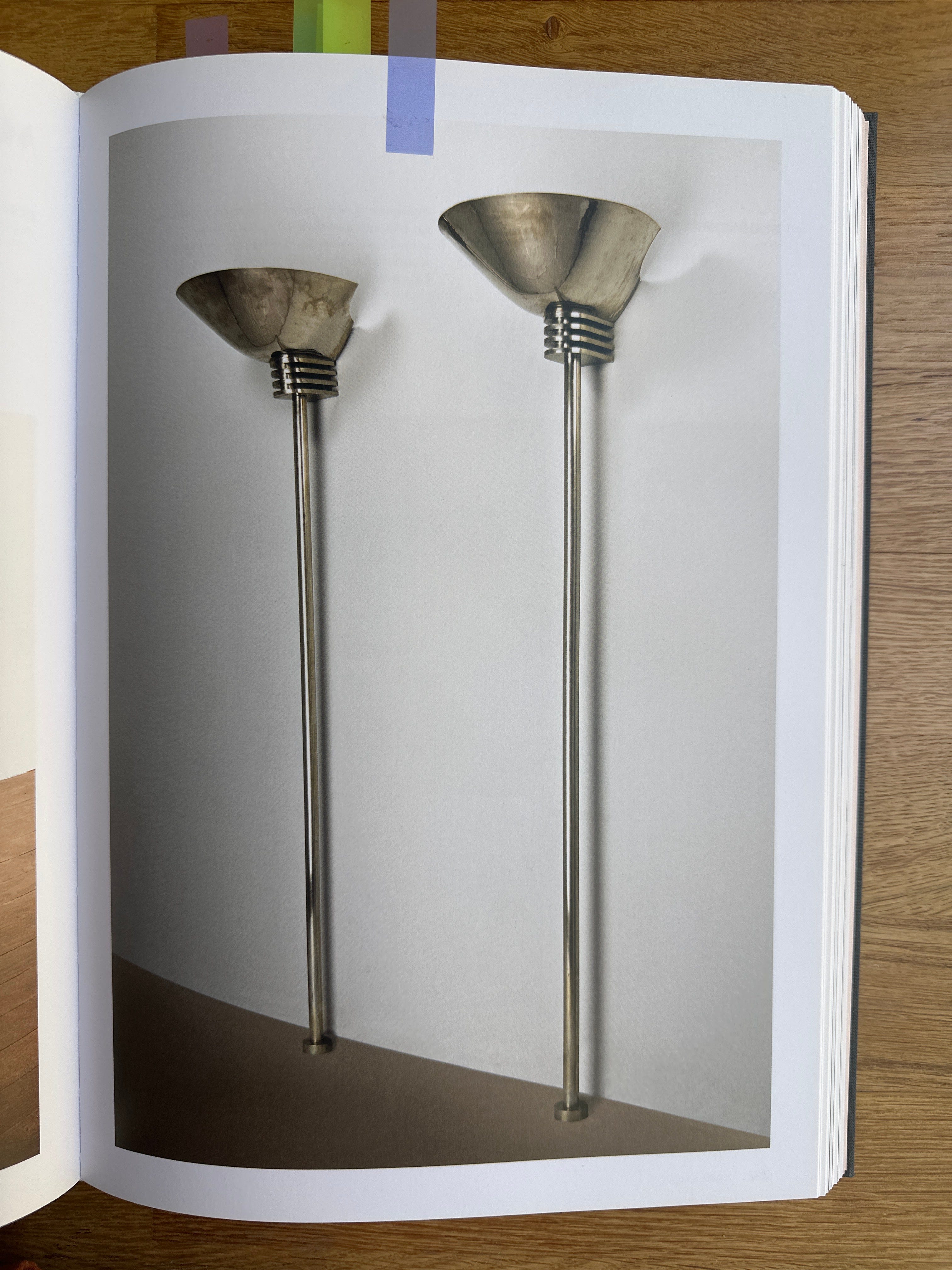
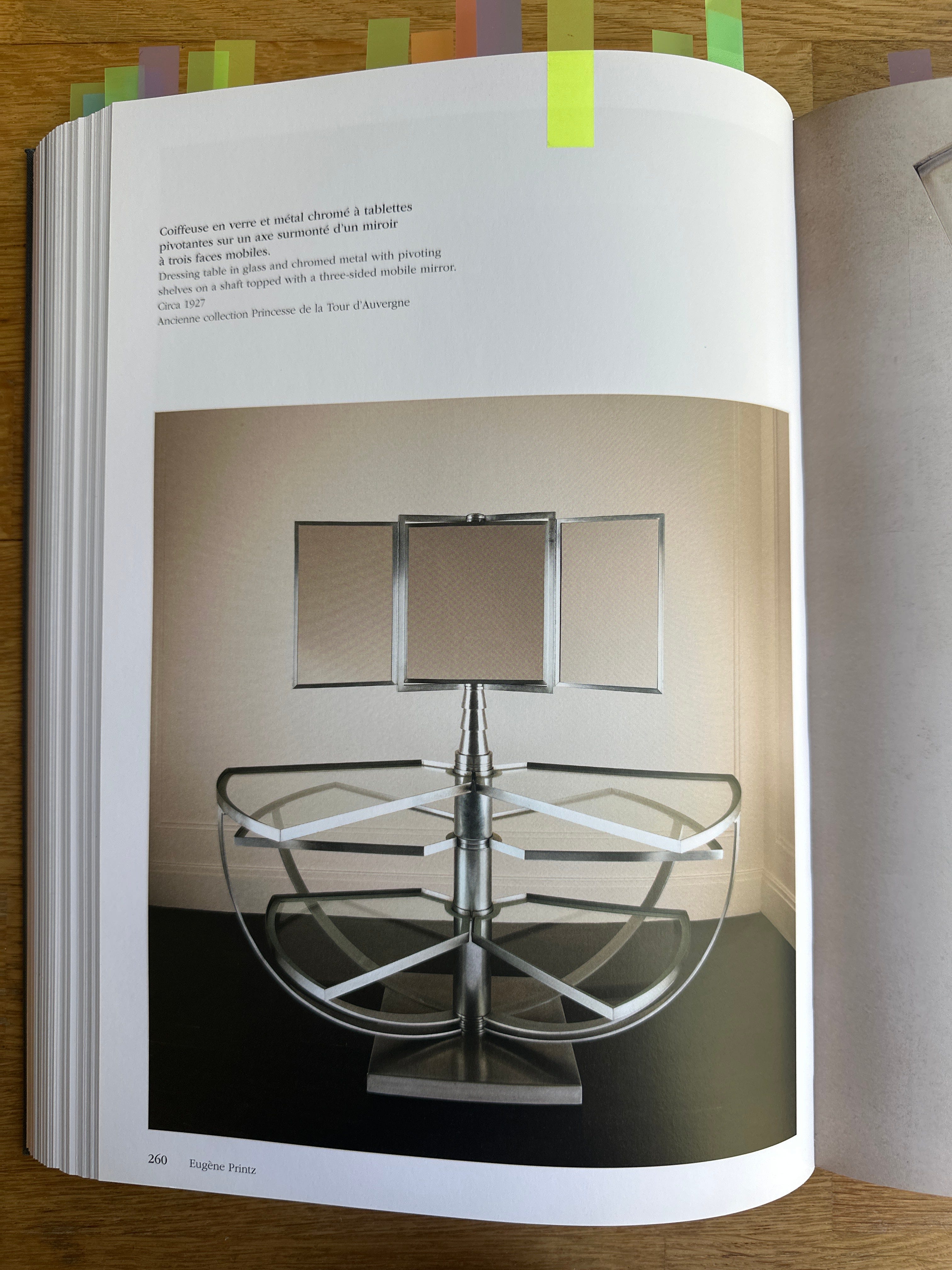
III. ‘50 ans de Passion: Art Déco’ by Cheska and Bob Vallois
When Cheska and Bob Vallois opened their gallery in the 70s in Paris, making the case for Art Deco, they were underdogs; Art Deco was not taken seriously. They (re)popularised what are now these big, big names like Ruhlmann, Dunand, Chareau, etc that were unheard of back then. This book catalogues their adventure and shows what happened when modernism and craft were fundamentally aligned.

IG Accounts to follow?
– @archiveofaffinities
– @jitjindar
– @florisvanderpoel
– @stallanbrand
– @sahi__paris
Discussion about this post